 YOTO
Five subcategories, five different answers
European buyers do not shop by body style — they shop by the licence their customer already holds. These are the limits that decide which subcategory a vehicle falls into, and therefore who can drive it.
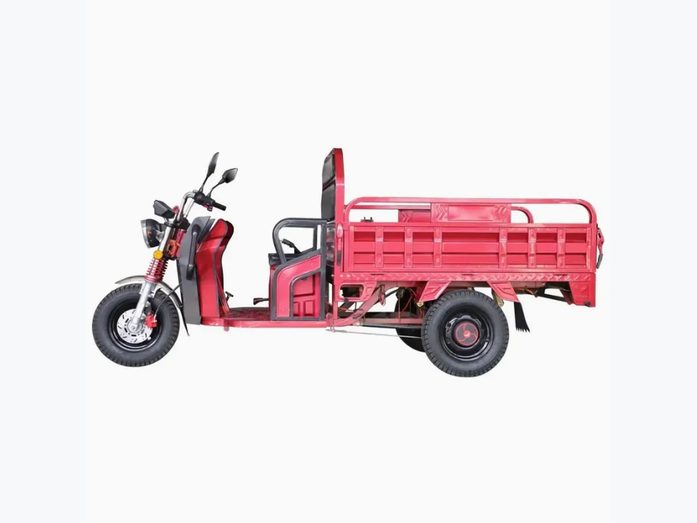
Light utility tricycle
Three wheels, goods transport, up to 45 km/h and 4 kW with an unladen mass of 270 kg or less.
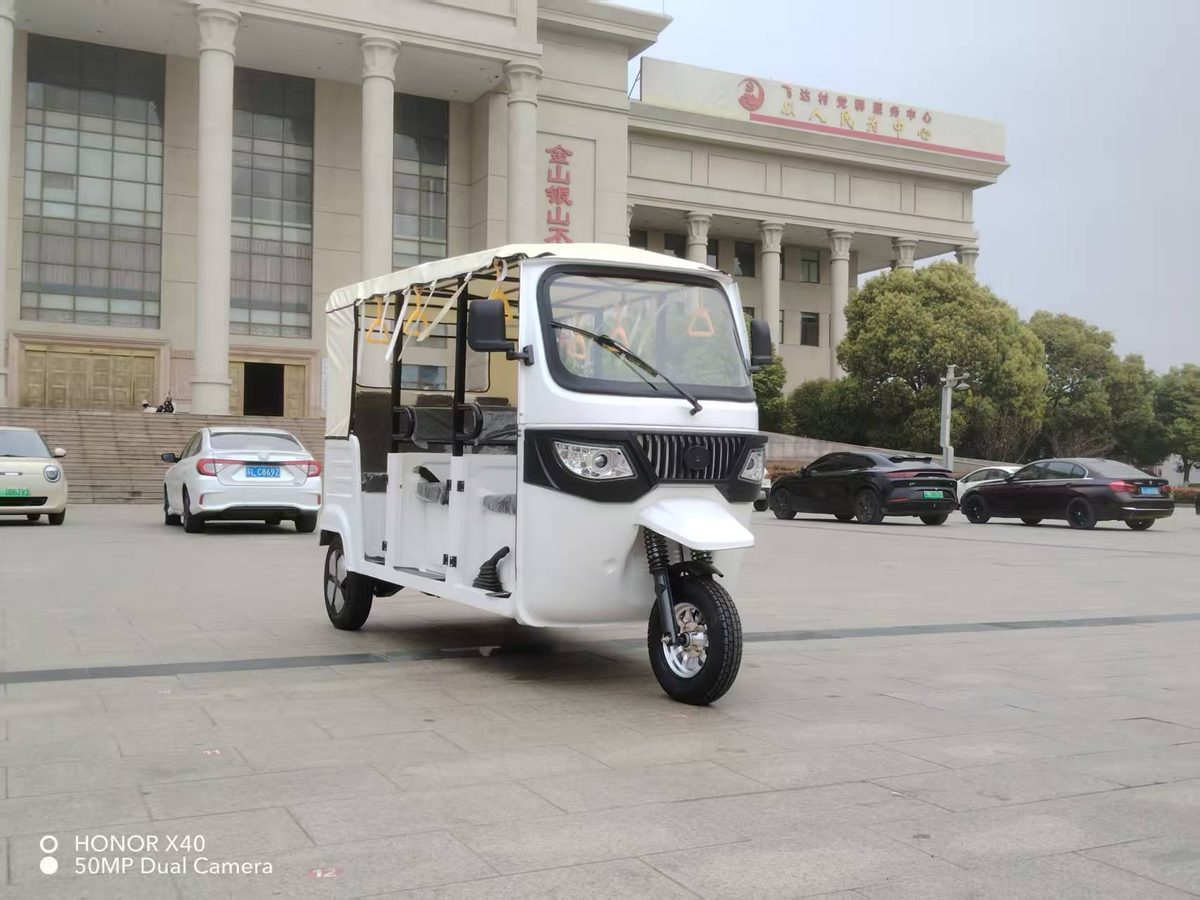
Three-wheel passenger vehicle
Three wheels, passenger transport, above 45 km/h. L5e sets no power ceiling — the A/B split is by use and seating, not by kilowatts.
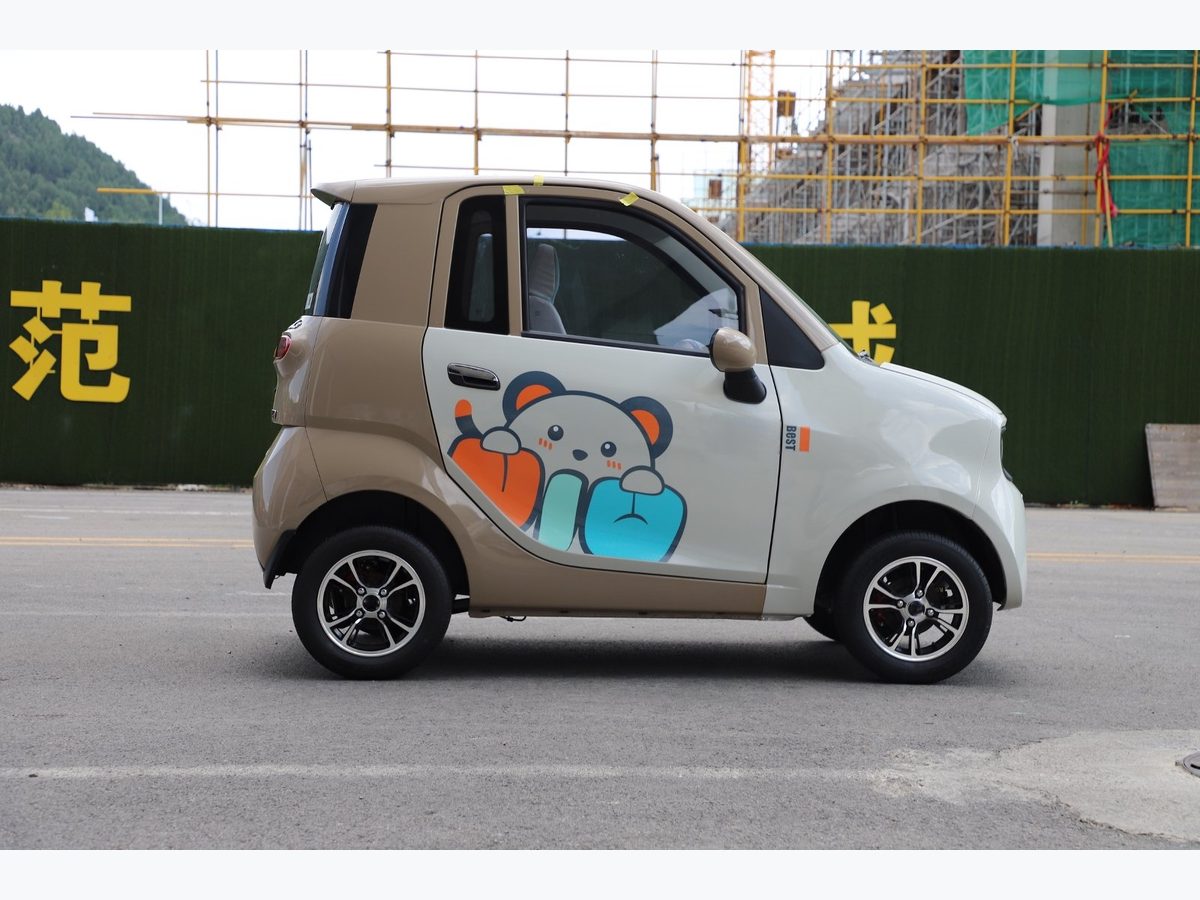
Light quadricycle, passenger
Four wheels, passenger transport, up to 45 km/h and 6 kW with an unladen mass of 425 kg or less.
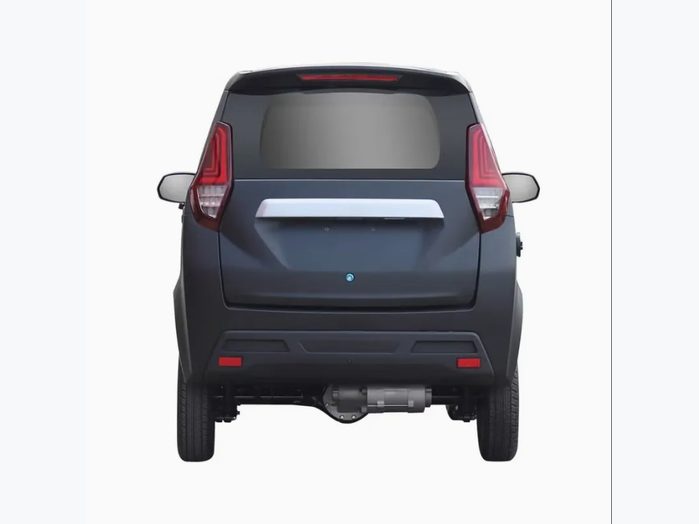
Heavy quadricycle, passenger
Four wheels, passenger transport, above 45 km/h, up to 15 kW and 450 kg unladen excluding the battery.
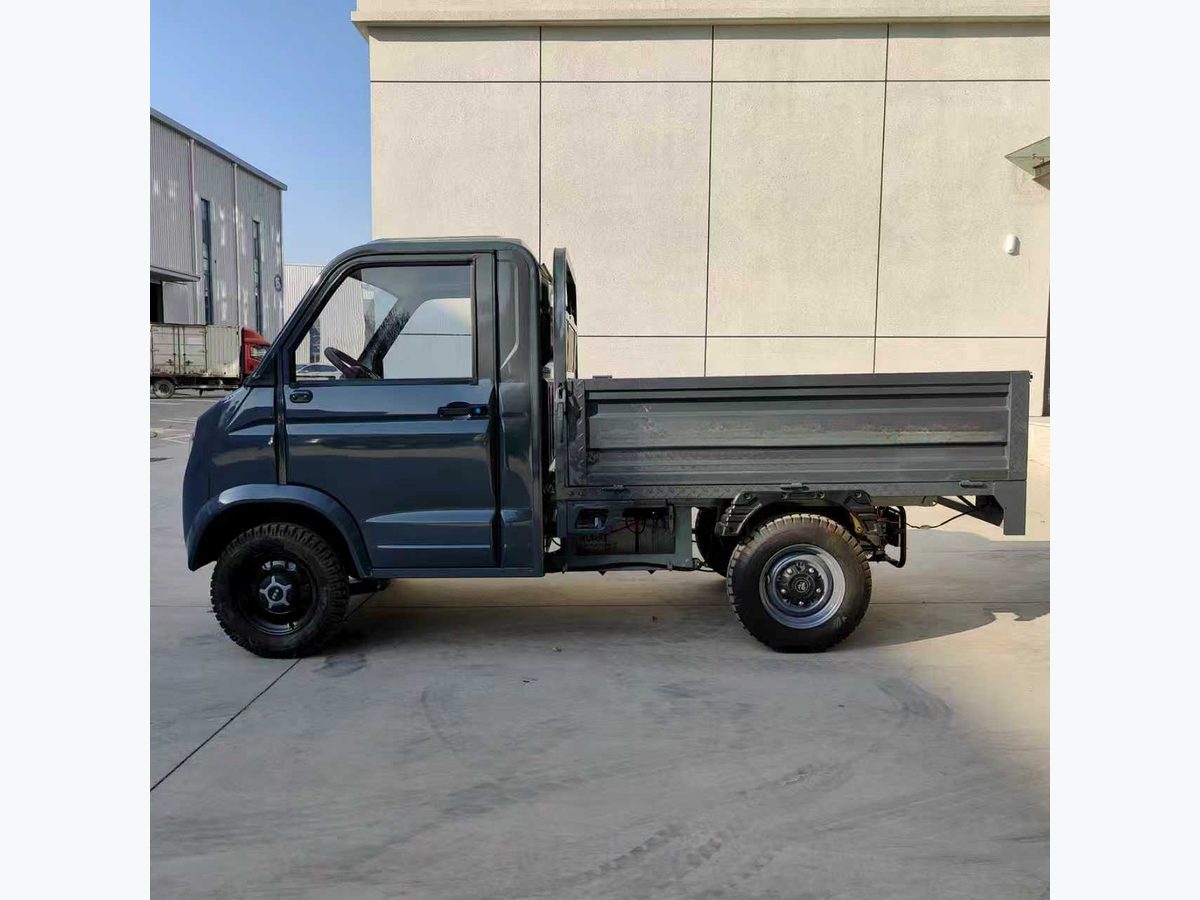
Heavy quadricycle, utility
Four wheels, goods transport, above 45 km/h, up to 15 kW and 600 kg unladen excluding the battery.
The limits, in one table
| Category | Wheels | Speed | Power | Unladen mass | Licence |
|---|---|---|---|---|---|
| L2e-U | 3 | ≤ 45 km/h | ≤ 4 kW | ≤ 270 kg excl. battery | AM from 16 |
| L5e-A | 3 | > 45 km/h | no ceiling | no limit specified | A1 from 16 up to 15 kW |
| L6e-BP | 4 | ≤ 45 km/h | ≤ 6 kW | ≤ 425 kg | AM from 16 |
| L7e-CP | 4 | > 45 km/h | ≤ 15 kW | ≤ 450 kg excl. battery | B1 from 16, B from 18 |
| L7e-CU | 4 | > 45 km/h | ≤ 15 kW | ≤ 600 kg excl. battery | B1 from 16, B from 18 |
Licence columns describe the usual position in most member states. National rules govern, and a few countries differ. Always confirm with the registration authority before promising a licence class to a customer.
Speed alone does not decide the category
A vehicle limited to 45 km/h but rated above 4 kW is not an L2e. Power is a separate limit, and a speed limiter does not move a vehicle down a class. The second mistake is mass: for the electric categories the battery comes out of the comparison, so the build-sheet figure is rarely the one the authority uses.
How to place a vehicle- Check the certificateThe category is on the certificate of conformity, not in the brochure.
- Check the field numbers1.8 speed, 2.1.1 mass in running order, 0.3 category — three fields settle most questions.
- Check the variantA body style or battery change can move the vehicle to a different variant.
Not sure which category a model is in?
Send us the model. We will return the category, the certificate field it comes from, and the licence class in your market.